

7 Questions to Ask Before Buying a Rural Property Near Wagga
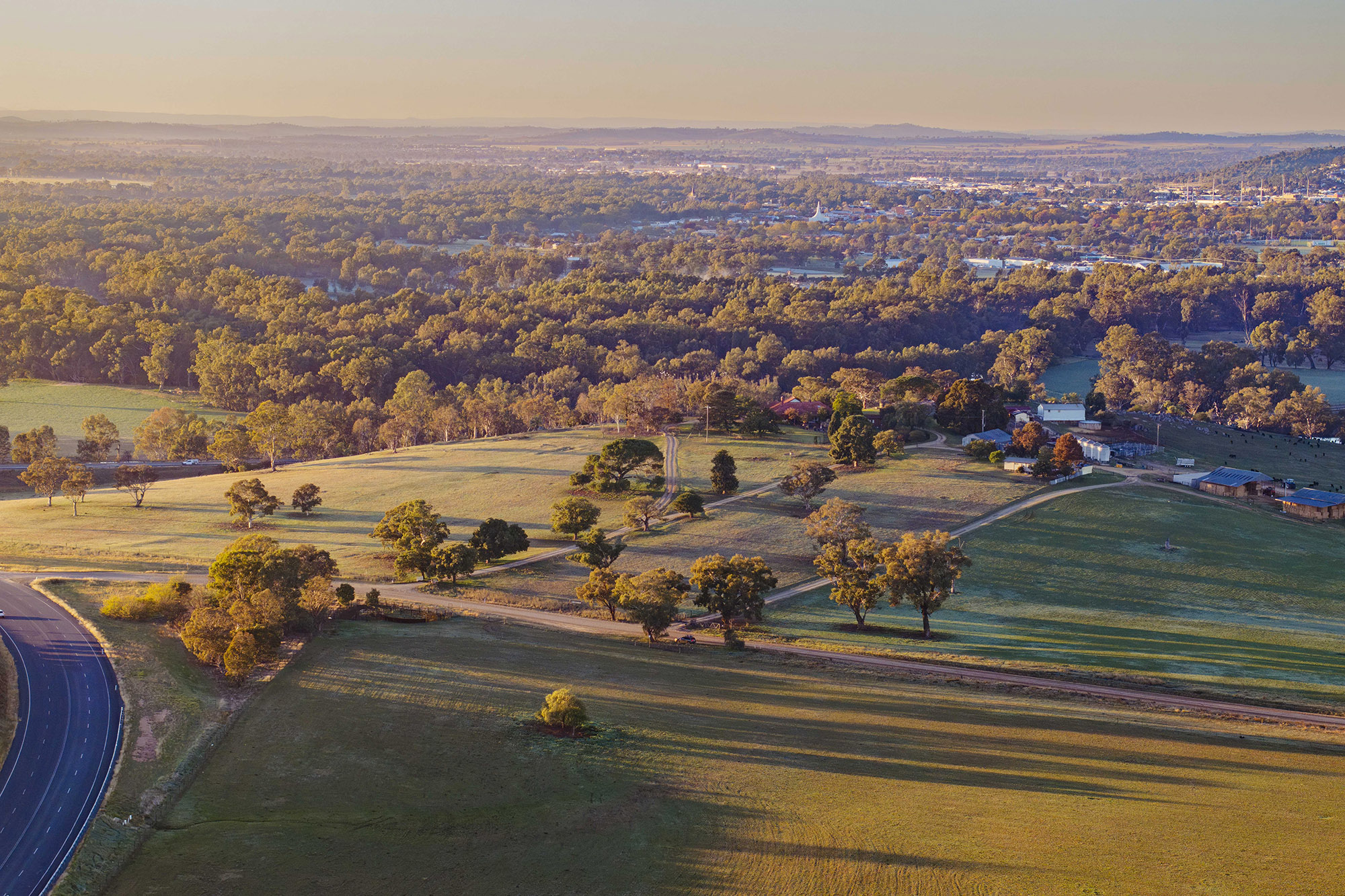
There's something genuinely appealing about rural life around Wagga Wagga; space to breathe, room for animals or crops, and a slower pace without giving up easy access to town. But buying rural property is a different game to buying a house on a standard suburban block. Here are seven questions worth asking before you sign anything.
1. What's the water situation?
This is arguably the single most important question for any rural buyer. Is the property connected to town water, reliant on tank water, bore water, or a mix of all three? Ask about the reliability and capacity of the water supply, especially if you're planning to run livestock, irrigate crops, or simply want peace of mind through a dry summer. Some listings highlight town water access as a real selling point, for good reason. It's worth getting any bore tested and asking for water usage records if the property has an irrigation licence.
2. What's the land actually zoned and used for?
Not all "rural" land is the same. Some blocks are zoned for genuine agricultural use, others for rural residential or lifestyle purposes with more restrictions on what you can build or run. Before you fall in love with a property, check the zoning with Wagga Wagga City Council and confirm it matches what you actually want to do, whether that's a hobby farm, a small cattle or sheep operation, growing crops, or simply enjoying a large block with minimal upkeep.
3. How's the infrastructure — fencing, sheds, power?
Existing infrastructure can save you a lot of money, or its absence can quietly blow out your budget. Walk the property and ask about:
- The condition and boundary coverage of fencing (critical if you're planning to run livestock)
- Sheds, workshops, and outbuildings: are they structurally sound and appropriately sized?
- Power supply: is it connected, and is it three-phase if you need it for machinery?
- Access roads and driveways: are they all-weather, or do they turn to mud after rain?
A workshop or existing shedding, for example, can be a major plus for buyers looking to run a small business or store machinery on-site.
4. What's the soil and land quality like?
If you're planning to farm, garden seriously, or even just maintain decent pasture, soil quality matters. Ask the current owner or a local agronomist about soil type, drainage, and any history of erosion or salinity. It's also worth understanding the property's flood risk given its position relative to the Murrumbidgee River and local waterways. A beautiful outlook can sometimes come with a flood plain attached.
5. What are the ongoing costs of running the property?
Rural properties come with cost considerations that a standard suburban home simply doesn't. Think about:
- Rates, which can vary significantly for larger rural blocks
- Maintenance of fencing, sheds, and access roads
- Costs of running livestock or machinery, including feed, vet bills, and fuel
- Insurance - rural properties often need specific rural or farm insurance policies
Ask for a clear picture of what the current owners spend annually to run the place, and build a realistic buffer into your own budget.
6. How far is it really from town, and what's the commute like?
Wagga Wagga is a fantastic hub for the Riverina, but rural properties can range from a comfortable ten-minute drive to well over an hour out. Think honestly about your day-to-day life: school runs, medical appointments, groceries, and how often you'll actually want to head into town. It's also worth checking mobile coverage and internet options (satellite, fixed wireless, or NBN) if you'll be working from home or need reliable connectivity.
7. What are the settlement and sale conditions?
Rural properties, particularly larger holdings, are sometimes sold via Expressions of Interest (EOI) or auction rather than a standard private treaty, and settlement timeframes can differ from a typical residential purchase. Ask your agent to clearly explain the sale process, any conditions attached (such as existing agistment or lease arrangements on the land), and what's included in the sale such as irrigation licences, machinery, or livestock, which aren't always automatically part of the deal.
Buying rural doesn't have to be daunting — it just requires asking the right questions upfront, so you can enjoy the lifestyle without any nasty surprises down the track.
You might also be interested in

Oct 14, 2026
What to Do Before You Attend an Open Home in Wagga Wagga
Open homes are one of the best parts of buying a property. You walk in, picture your furniture in the lounge room, and start planning where the barbecue will go. But the buyers who come away with the
Oct 7, 2026
Chasing the Right School Catchment? Here's Your Guide to Wagga's Family-Friendly Suburbs
If you've got kids, or you're planning on having them at some point down the track, chances are the words "school catchment" have already started creeping into your house-hunting conversations. Maybe